
Forty-one architecture student volunteers build a school toilet
In a small primary school in Suphanburi Province, forty-one volunteers spent eleven days learning to build the one thing their annual camp had never designed before: a toilet. For years, the AKU ASA Volunteer Camp has served as a meeting ground where architecture students and local craftsmen exchange skills that are otherwise fading from one generation to the next. Song Phi Nong Primary School needed a small sanitary facility, and its site offered little more than open ground shaded by a mature Nontri tree.
The volunteers arrived with almost no construction experience and eleven days to close that gap. Instead of repeating the pavilions and multipurpose halls that had defined previous editions of the camp, AKU ASA 20 asked a different question: what remains to learn when the same building type is designed every year? Choosing a toilet as the year’s project shifted the focus from structure and space toward a discipline rarely addressed in student work: sanitary design, and how plumbing systems are shaped by both the building and its site.
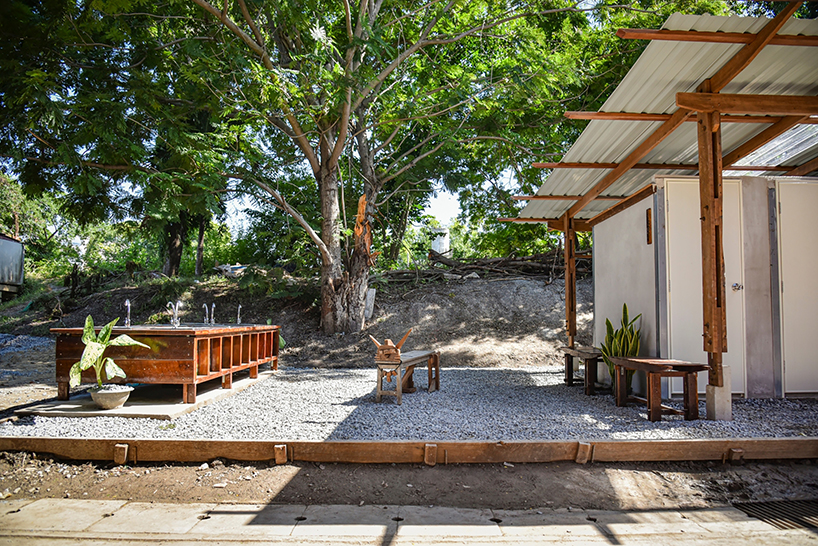
Song Phi Nong Primary School needed a sanitary facility on its open site | all images ©Thai Beverage Public Company Limited
Shade, airflow, and reclaimed wood shape school toilet’s design
The layout responds directly to context: the shade cast by the Nontri tree and the site’s natural airflow transform the in-between space linking the sinks and the toilet stalls into an area that can double as a place to cool off, rest, or play, rather than a purely functional corridor. Materials carried their own history into the project.
The design team, led by SEP studio, sourced reclaimed wood from the school’s original building, a Chinese-style classroom constructed roughly sixty years earlier, giving the new structure a physical link to the school’s own past. Every component was built by hand by the volunteers. The result is a modest building, but one that reframes what a student volunteer camp can teach: that architecture education extends beyond form-making into infrastructure, material reuse, and the patient transfer of craft knowledge from one generation to the next.
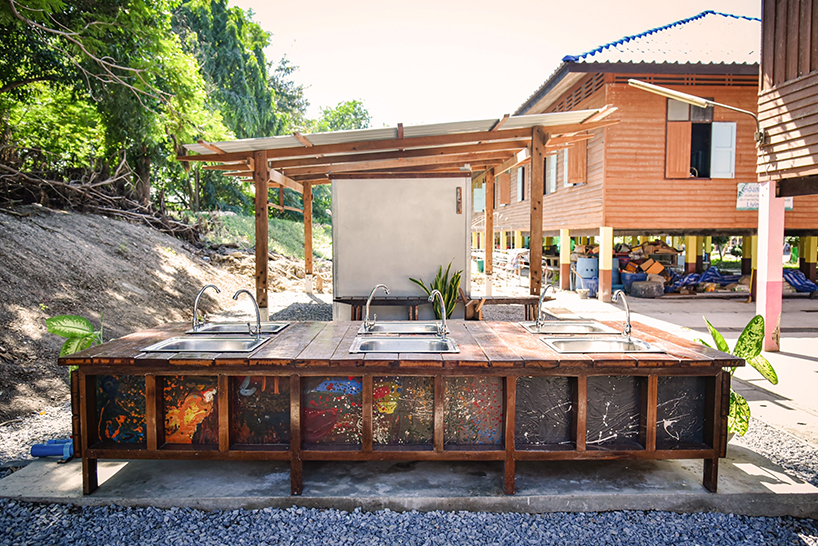
the toilet project introduced plumbing and infrastructure into the students’ architectural work
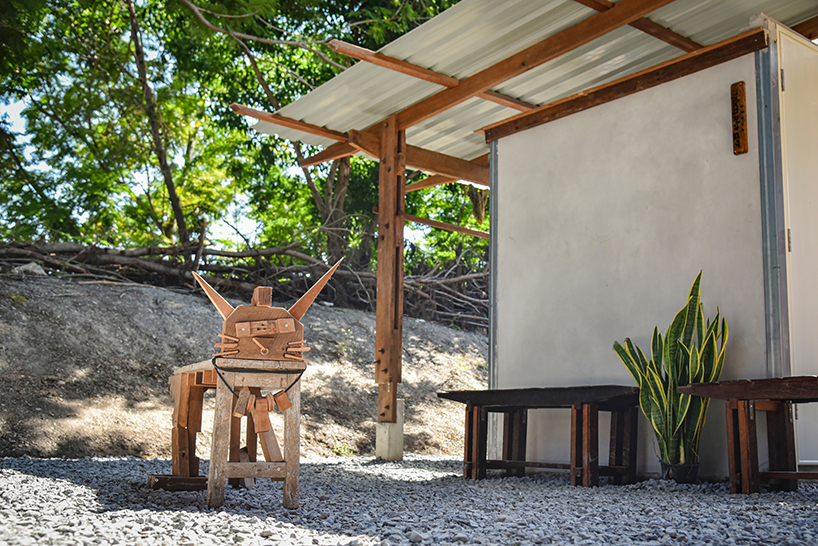
the layout responds directly to the conditions of the school site
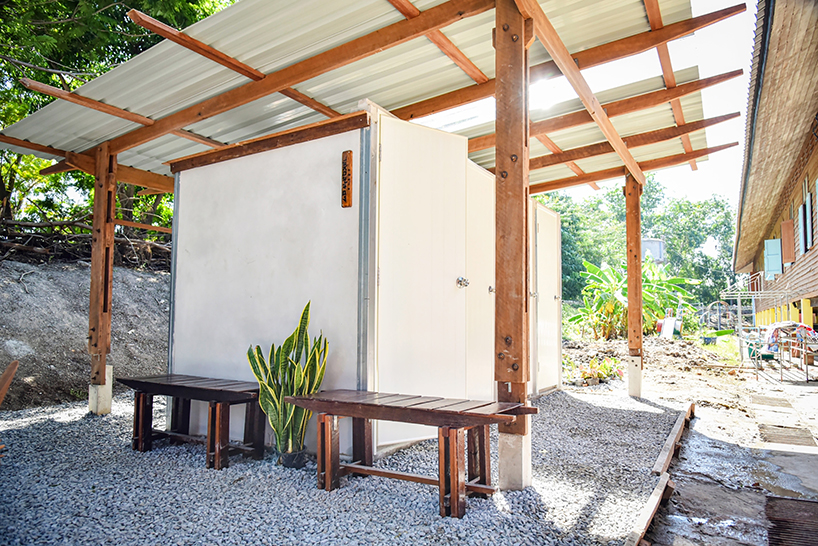
reclaimed wood from the school’s original building was used in the new structure
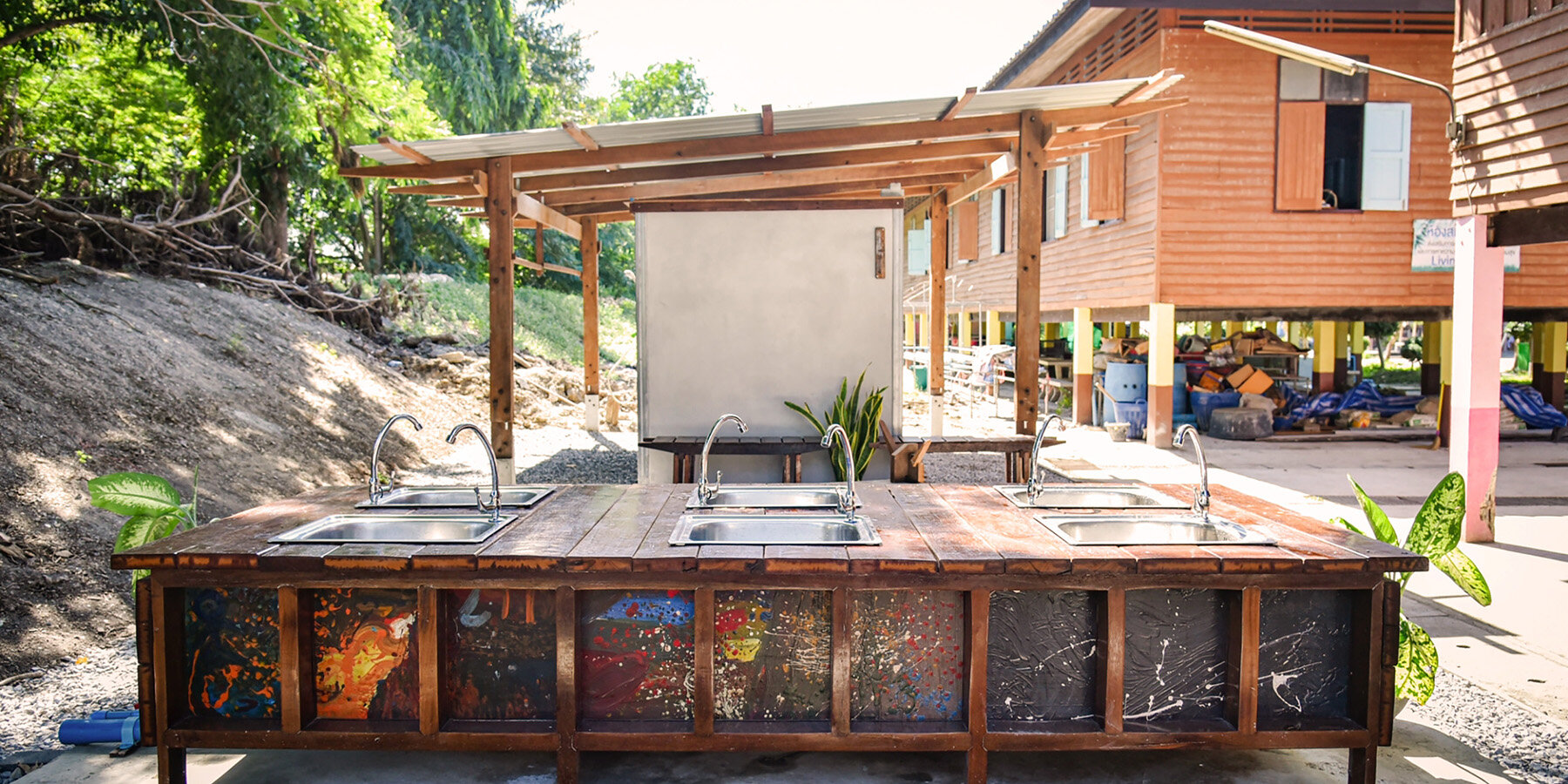
reused timber connects the new toilet to the school’s architectural history
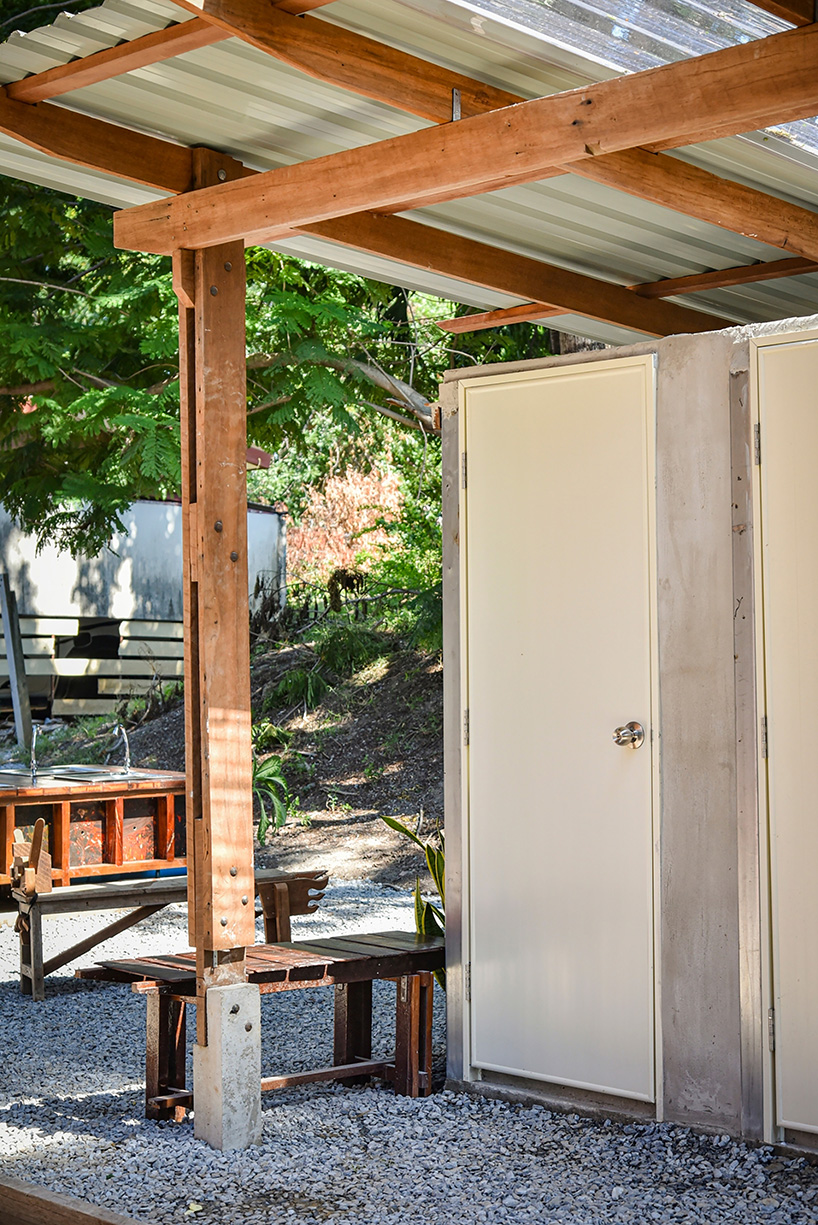
the shaded space between the sinks and toilet stalls extends beyond circulation
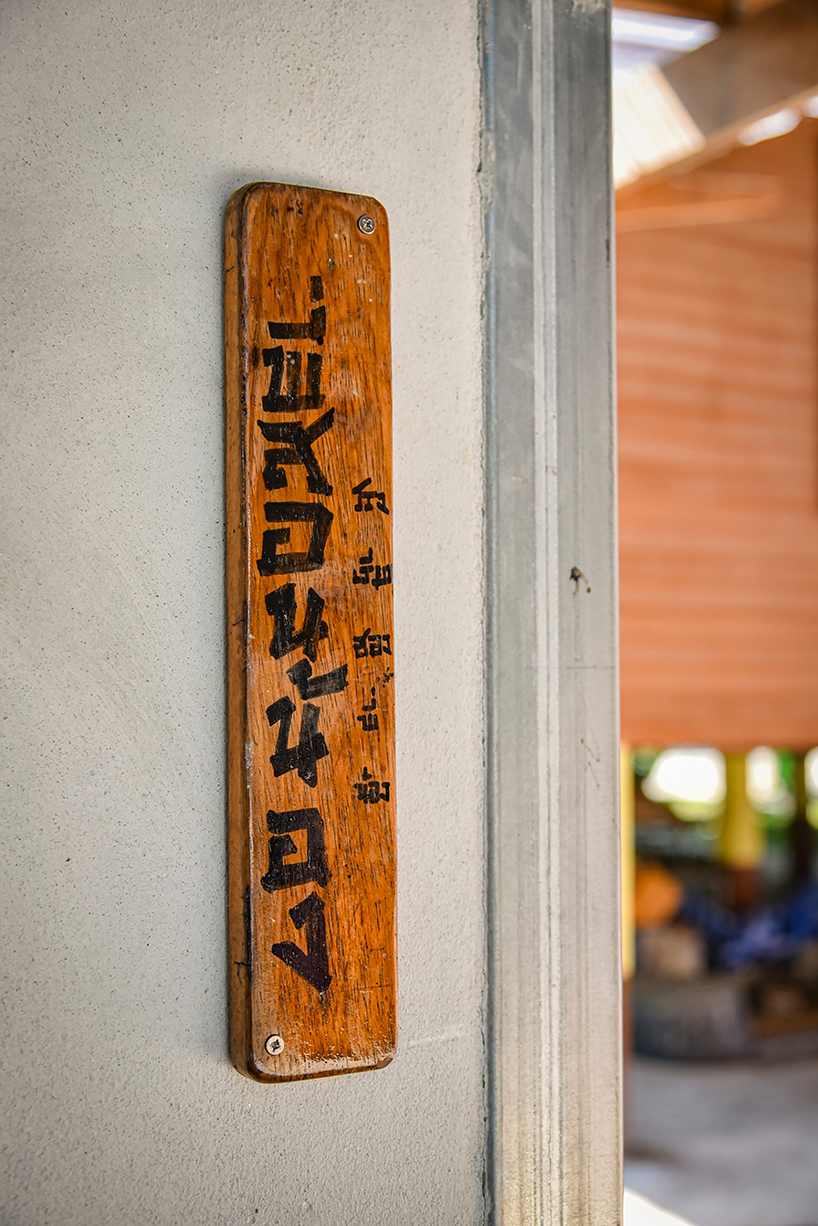
volunteers built every component of the structure by hand
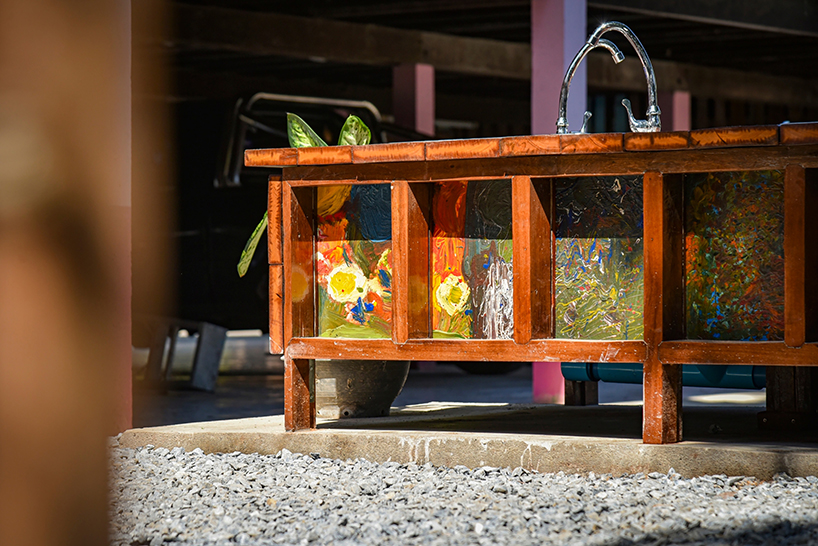
the project combines sanitary infrastructure with hands-on construction
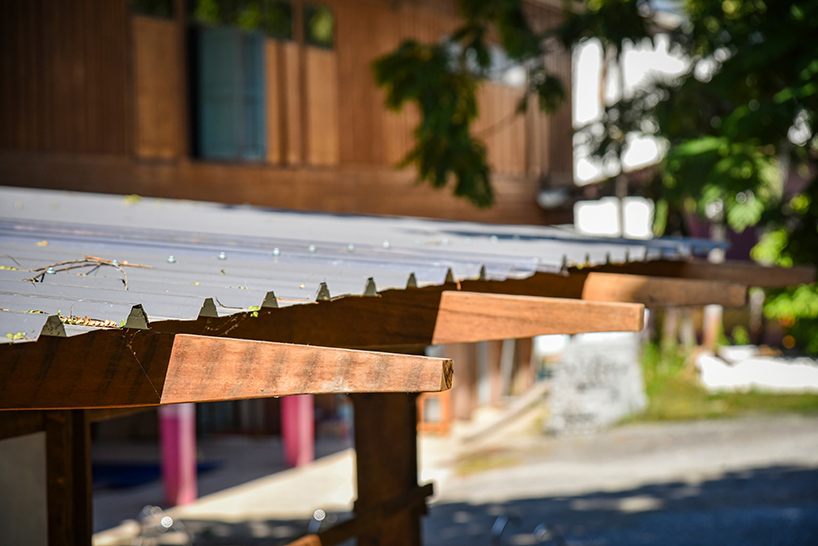
the toilet introduces material reuse into the volunteer camp’s building process
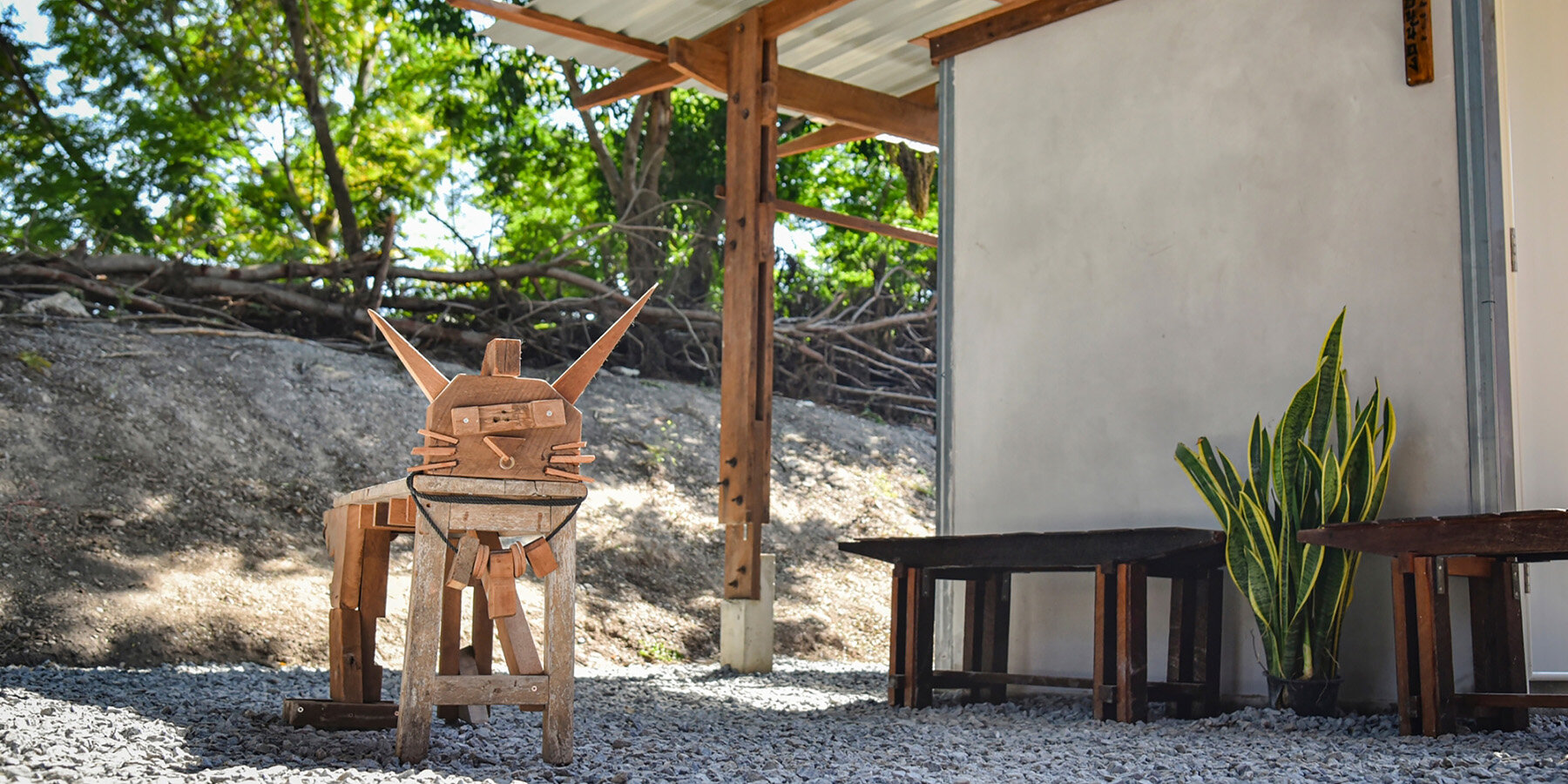
AKU ASA 20 extends architectural education into infrastructure and craft knowledge
project info:
name: Phi Sorn Nong Toilet
designer: SEP
location: Suphanburi Province, Thailand
photographer: Thai Beverage Public Company Limited
designboom has received this project from our DIY submissions feature, where we welcome our readers to submit their own work for publication. See more project submissions from our readers here.
edited by: Christina Vergopoulou | designboom
The post volunteers in thailand hand-build school toilet from reclaimed wood appeared first on designboom | architecture & design magazine.