
American Airlines is planning to add more flights from Los Angeles International Airport (LAX), as part of a “gradual build” at its West Coast hub.
The Fort Worth-based carrier said it’s about to add more LAX service to its schedule, with a focus on places executives describe as “important markets.”
It’s not clear whether that means entirely new routes or more frequent service on existing ones.
But either way, it comes after a long stretch where American seemed to focus far more of its attention on other parts of the country.
Sun Belt strategy
After the pandemic, the airline doubled down on its Sun Belt hubs, fortifying its strongholds in Dallas, Charlotte and Miami.
More recently, American reignited a longstanding Chicago turf war with United Airlines when it rapidly reinstated flying at O’Hare International Airport (ORD).

It looks like LAX will be its next project.
“We’re going to grow,” American chief commercial officer Nat Pieper said, speaking this week at an industry conference. “We’re going to tailor a schedule to the local market.”
It won’t happen overnight.
A gap to close in Southern California
American has a smaller presence today in Southern California than it did several years ago.
This year, the carrier will operate about 32% fewer flights than it did in 2019, according to data from aviation analytics firm Cirium.
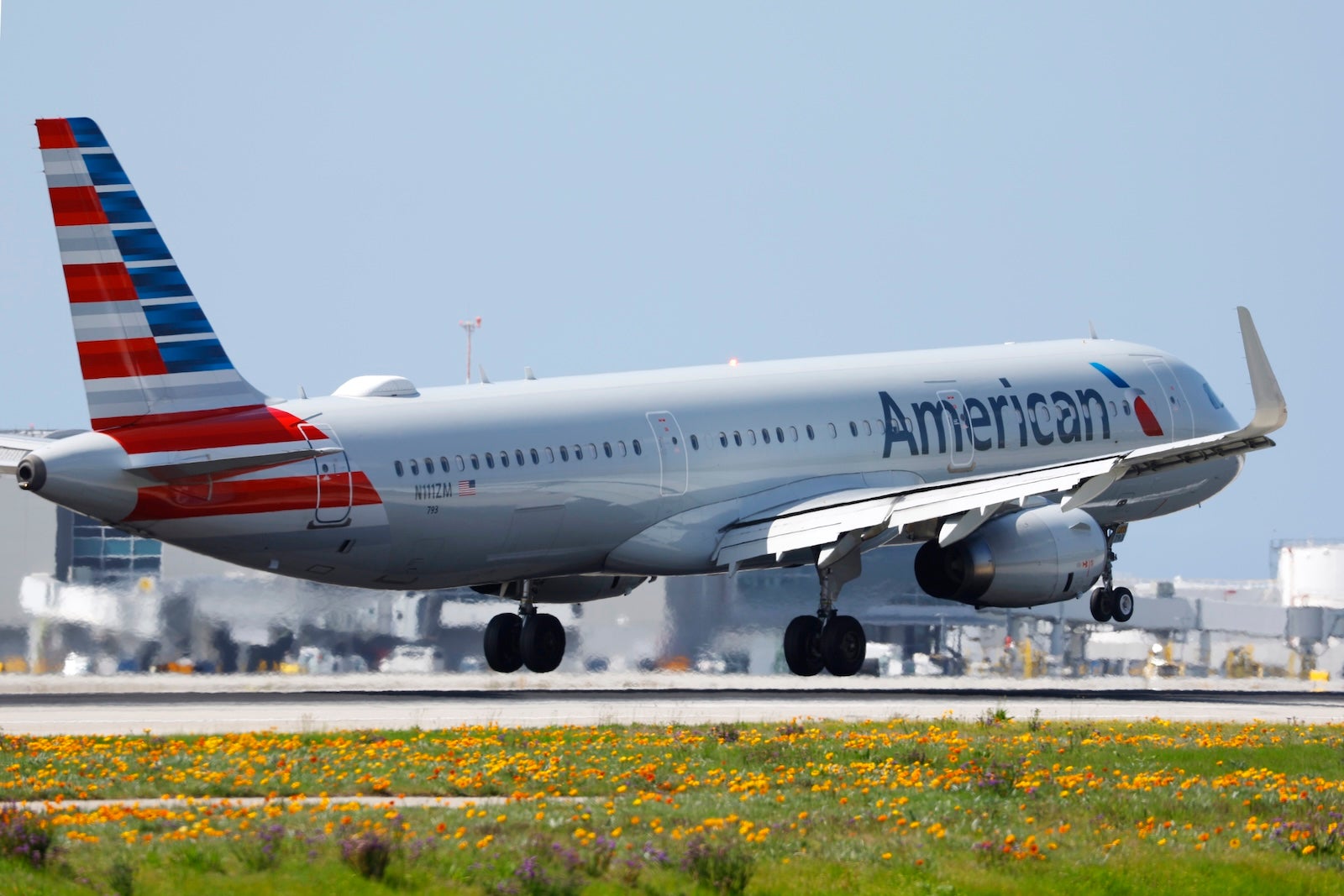
That’s a significant drop-off at LAX, which is one of the nation’s most competitive airports — and the only where each of the “big three” legacy carriers operates a hub.
By contrast, top L.A. rival Delta Air Lines has solidified its place as the airport’s top carrier, and plans operate its largest-ever schedule there next year.
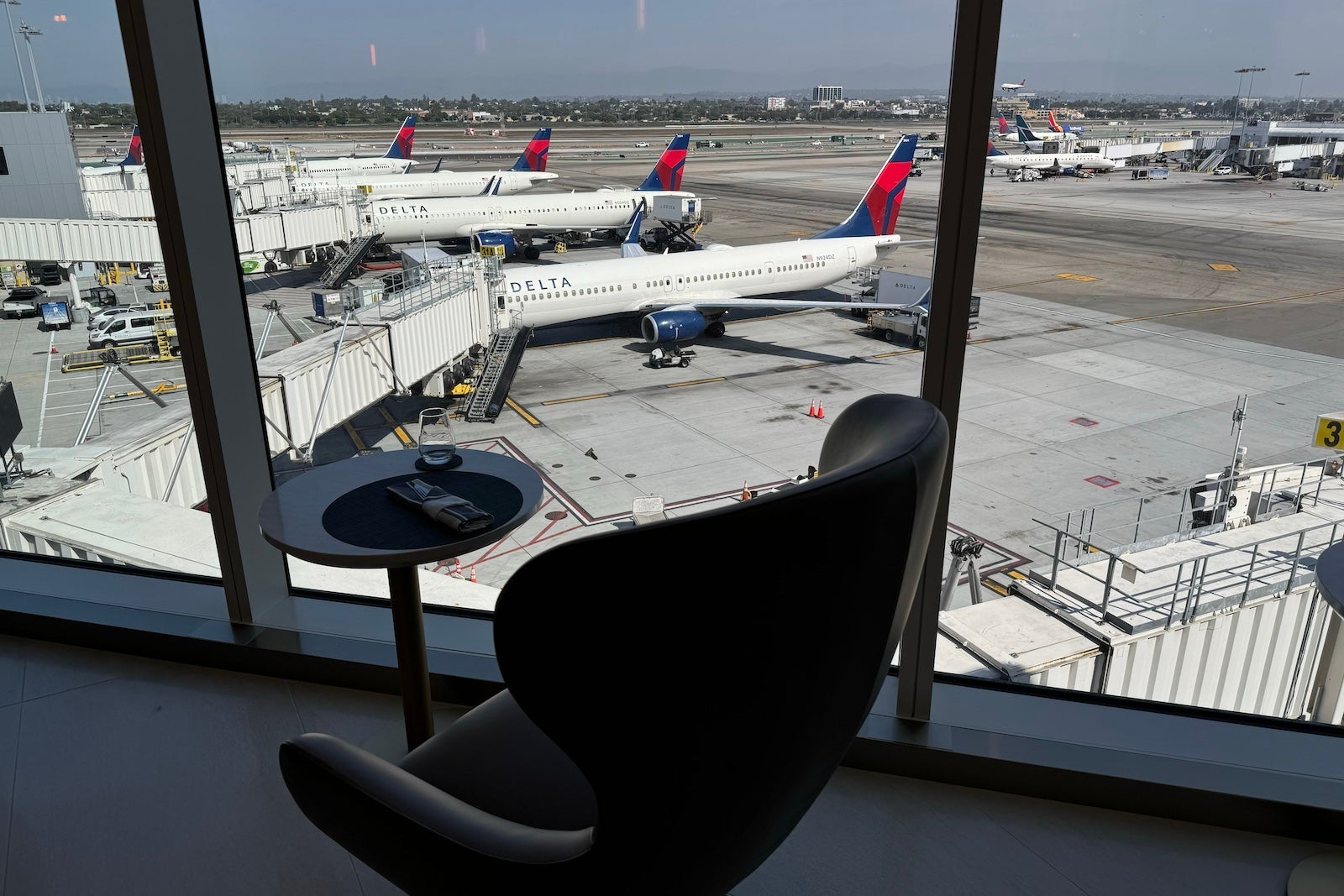
United Airlines has also signaled it has future growth aspirations at LAX.
Speaking earlier this year, United’s top network planner, Patrick Quayle, lamented the fact that the airport is United’s only hub where there’s another airline with a larger presence.
“I don’t like being No. 2,” Quayle said during a company event at LAX in March. “And so I will, today, put Delta on notice here in L.A. — we will be No. 1, as well.”’
How American plans to grow in L.A.
So where does that leave American?
Pieper said the carrier needs to start by catering more to local Los Angeles customers — not just using the airport as a hub to route connecting traffic.
Doing that, he acknowledged, will likely require AA to offer a longer list of unique destinations.
Today, for instance, the carrier only serves four long-haul cities from LAX: London, Tokyo, Sydney and Auckland.
“People don’t only want to fly domestically. They want to go to Latin America. They want to go to Europe. They want to go to Asia,” Pieper said on stage this week at the Skift Aviation Forum in New York. “We need to be able to serve that with our own airplanes.”
United is clearly following that formula. The carrier already serves more than a half-dozen transpacific destinations from Southern California — and will expand next year with a new route to Osaka.

Delta, for its part, is also pointing to LAX as a linchpin of its Pacific growth aspirations, having launched nonstops to Hong Kong and Melbourne within the past year. New flights to Manila will begin in 2027.
Major LAX upgrades on the ground
Delta’s Los Angeles growth is also thanks, in part, to massive infrastructure investments the carrier has made at the hub which, among other things, is the only airport that’s home to two Delta One Lounges.

American’s LAX digs, meanwhile, are still a construction zone.
The carrier had to consolidate its presence at the airport last year to make way for a rebuild of the airport’s Terminal 5.
American will grow at a “gradual” pace, Pieper said, until its LAX facilities are “ready to roll.” That’s expected to happen in late 2028, at which point the carrier will have access to 30 gates.
“Our facility will be as good as anybody’s,” he said.
That, along with more flights — plus connectivity to American’s Pacific partners like Qantas and Japan Airlines— have the airline more bullish about its hub that’s grabbed far fewer headlines in recent years.
“You combine all those things together,” Pieper added, “I think we’re going to have a compelling offering there.”
Related reading:
- Your ultimate guide to American Airlines AAdvantage
- Best credit cards for American Airlines flyers
- American’s AAdvantage program changes for 2026
- The best credit cards to reach elite status
- This is now American Airlines’ most premium plane: Here’s what it’s like on board
- The best credit card for American Airlines lounge access